
Structure can feel comforting
Our guides focus on calm planning, simple cues, and realistic pacing so routine changes feel approachable.
Clear templates
Simple daily formats that can be reused and adjusted.
Flexible rhythm
A steady flow that still allows for slower days.
Our purpose
Many routine resources are either too strict or too vague. Our purpose is to bridge that gap with modern, practical methods that are easy to apply. We focus on everyday routine building: how to plan a day that feels calm, how to keep plans simple, and how to make adjustments without feeling like you failed.
The site is designed to be helpful whether you are starting fresh or refining an existing rhythm. You can explore methods for morning start routines, gentle movement planning, meal structure, and restorative breaks, plus ways to keep social connection and hobbies present in the week. Each guide is meant to reduce friction, increase clarity, and support steady follow-through over time.
Calm, not pressure
We present routine changes as small experiments. The goal is comfort and consistency, not strict compliance.
Step-by-step clarity
Each method includes practical steps you can try immediately, plus ways to adjust if the day changes.
Decision-light planning
We recommend defaults and checklists that reduce daily decisions so routines feel easier to repeat.
Trust and transparency
We explain what registration does, how data is handled, and how cookie preferences can be managed at any time.
Looking for a practical starting point?
Use our implementation steps to set up a simple routine in one sitting.
What “modern methods” means here
Modern does not mean complicated. It means using up-to-date, practical approaches to routine design that are easy to understand and easy to repeat. We focus on methods that help people follow through with less friction, including simple cues, environmental setup, and short feedback loops that keep routines realistic.
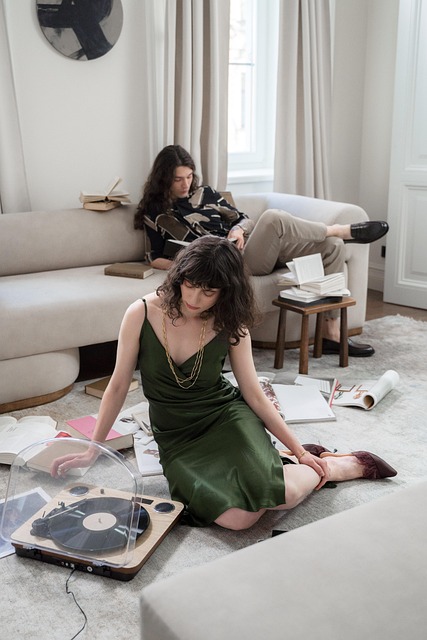
We also emphasize balance. A routine is not only tasks. It includes restorative breaks, enjoyable activities, and gentle connection with others. When a day is balanced, it is easier to keep going without feeling overwhelmed. Our guides share ways to plan for that balance using a few consistent building blocks.
Cues and anchors
Link a routine to something that already happens, like breakfast or a favorite program.
Short sessions
Use small blocks that fit the day, rather than long sessions that are harder to repeat.
Friction reduction
Set up your environment so the next step is easy to start and easy to finish.
Gentle check-ins
Track one or two simple markers that encourage consistency without pressure.
Disclaimer
The information on this website is for informational and educational purposes only and does not constitute medical, legal, or professional advice. Routines and lifestyle changes should be adapted to individual circumstances. If you have questions about health, medication, safety, or activity suitability, consult a qualified professional.